EV Charging Demand: Fastest-Growing Markets Revealed
EV charging demand is expanding beyond metros, with Vijayawada and Rajamahendravaram emerging as key players.

EV charging demand is rapidly growing beyond metros, with cities like Vijayawada and Rajamahendravaram leading the charge. This trend highlights the increasing need for charging infrastructure in smaller markets.
Understanding EV Charging Demand
The demand for electric vehicle (EV) charging is rapidly expanding, moving beyond traditional metropolitan areas into emerging markets. This shift highlights a growing awareness and adoption of electric vehicles across diverse regions.
Recent studies indicate that cities like Vijayawada and Rajamahendravaram are among the fastest-growing markets for EV charging demand. This trend is fueled by several factors:
- Government Incentives: Many local and state governments are offering incentives for EV purchases and the installation of charging infrastructure.
- Environmental Awareness: A heightened focus on sustainability is driving consumers to consider electric vehicles as a viable option.
- Infrastructure Development: As more charging stations are built, the convenience of owning an EV increases, further spurring demand.
- Technological Advancements: Improvements in battery technology and charging speed are making electric vehicles more appealing.
As EV charging demand continues to grow in these areas, it is anticipated that the trend will spread to other regions, leading to a more widespread adoption of electric vehicles. This evolution signifies a pivotal change in the transportation landscape, contributing to a greener future.
Key Players in the EV Market
The electric vehicle (EV) market is rapidly evolving, with several key players driving the increasing demand for EV charging solutions. These companies are instrumental in shaping the landscape and ensuring that the infrastructure keeps pace with the growing number of electric vehicles on the road.
Among the prominent players in the EV charging sector are:
- Tesla: Known for its extensive Supercharger network, Tesla continues to lead in providing fast and efficient charging options for its customers.
- ChargePoint: With one of the largest networks of independently owned charging stations, ChargePoint focuses on expanding accessibility in urban and rural areas alike.
- ABB: A global leader in electrification and automation, ABB develops cutting-edge EV charging solutions catering to both consumer and commercial needs.
- Electrify America: Backed by Volkswagen, this initiative aims to create a robust network of fast chargers across the United States to support the growing EV market.
- Shell: Traditionally an oil company, Shell has made significant investments in EV charging stations, reflecting its commitment to transitioning to cleaner energy sources.
As these key players expand their networks, the demand for EV charging infrastructure is expected to rise, not only in metropolitan areas but also in emerging markets like Vijayawada and Rajamahendravaram.
Growth of Charging Infrastructure
The growth of charging infrastructure is crucial to meet the increasing EV charging demand across various regions. As electric vehicles gain popularity, cities beyond traditional metropolitan areas are witnessing a surge in charging station installations. This trend is particularly evident in emerging markets such as Vijayawada and Rajamahendravaram, where local governments and private companies are collaborating to enhance accessibility.
Several factors contribute to this rapid expansion:
- Government Initiatives: Local authorities are implementing policies and providing incentives to encourage the development of charging stations.
- Investment from Private Sector: Businesses are increasingly recognizing the potential of EV infrastructure and are investing significantly in charging networks.
- Consumer Demand: With more consumers opting for electric vehicles, the need for convenient charging solutions is more pressing than ever.
The strategic placement of charging stations in suburban and rural areas marks a significant shift in addressing the needs of EV owners. This growth not only supports the expansion of the electric vehicle market but also promotes sustainable transportation options in regions that were previously underserved.
As the trend continues, it is likely that we will see further innovations in charging technology and infrastructure development, paving the way for a more robust and accessible EV ecosystem.
Impact on Smaller Cities
The rising EV charging demand is not confined to major metropolitan areas anymore, as smaller cities like Vijayawada and Rajamahendravaram are emerging as key markets for electric vehicle charging infrastructure. This trend highlights a significant shift in consumer behavior, as EV adoption becomes more widespread.
Several factors contribute to this growth in smaller cities:
- Government Initiatives: Local governments are increasingly supporting EV adoption through subsidies and incentives, making it more feasible for residents to invest in electric vehicles.
- Infrastructure Development: Investment in charging stations is on the rise, with both public and private sectors collaborating to enhance accessibility for EV owners.
- Environmental Awareness: Growing awareness of environmental issues is prompting residents of smaller cities to consider sustainable transportation options, including electric vehicles.
- Cost-Effective Solutions: As charging technology advances, the costs associated with installing and maintaining charging stations are decreasing, encouraging more businesses to participate in the EV ecosystem.
As the demand for EV charging expands into these smaller markets, it presents an opportunity for economic growth and innovation, potentially positioning these cities as leaders in the sustainable transportation movement.
Future of Electric Vehicles
The future of electric vehicles (EVs) is set to be shaped significantly by the evolving demand for EV charging solutions. As more consumers shift towards electric mobility, the need for accessible and efficient charging infrastructure is becoming increasingly critical.
Emerging markets, particularly in smaller cities, are witnessing a surge in EV charging demand. Cities like Vijayawada and Rajamahendravaram are at the forefront of this growth, demonstrating that the transition to electric vehicles is not limited to metropolitan areas. This trend indicates a broader acceptance of EVs across diverse demographics.
Several factors contribute to the acceleration of EV adoption in these regions:
- Government Initiatives: Local governments are implementing policies that incentivize the installation of charging stations and promote electric vehicle purchases.
- Public Awareness: Increased awareness about environmental issues and the benefits of EVs is driving consumer interest.
- Technological Advancements: Innovations in battery technology and charging systems are making EVs more appealing and practical for everyday use.
As the demand for EV charging continues to grow, it will be crucial for stakeholders to address infrastructure challenges and ensure that charging networks can keep pace with the rapidly expanding electric vehicle market.
Challenges Ahead for EV Adoption
The rapid growth in EV charging demand brings with it a series of challenges that could hinder the widespread adoption of electric vehicles. As cities like Vijayawada and Rajamahendravaram emerge as fast-growing markets, these regions face unique obstacles that must be addressed to facilitate EV integration.
One major challenge is the insufficient charging infrastructure in smaller cities. Many areas lack the necessary investment to install enough charging stations to meet the rising demand. Without adequate access to charging points, potential EV buyers may hesitate to make the switch from traditional vehicles.
Furthermore, the availability of reliable power sources is crucial. Frequent power outages in some regions can deter users from fully embracing electric vehicles, as they may fear running out of charge. Additionally, the high upfront costs of electric vehicles remain a barrier for many consumers, particularly in developing markets where affordability is a key concern.
To address these challenges, stakeholders must collaborate to create comprehensive plans that include:
- Increased investment in charging infrastructure
- Incentives for consumers to purchase electric vehicles
- Public awareness campaigns to promote the benefits of EVs
- Partnerships with local governments to improve power reliability
By tackling these issues head-on, the advancement of EV charging demand can be more effectively supported.
As major cities invest in infrastructure, the surge in EV charging demand is reshaping urban planning and transportation policies. Analysts predict that regions with robust incentives will experience the highest growth in EV charging demand over the next decade.
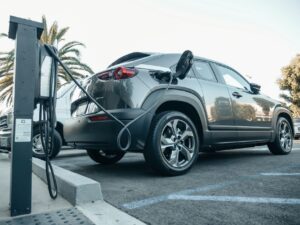
Photo by Jakub Zerdzicki on Pexels






2 thoughts on “EV Charging Demand: Fastest-Growing Markets Revealed”